
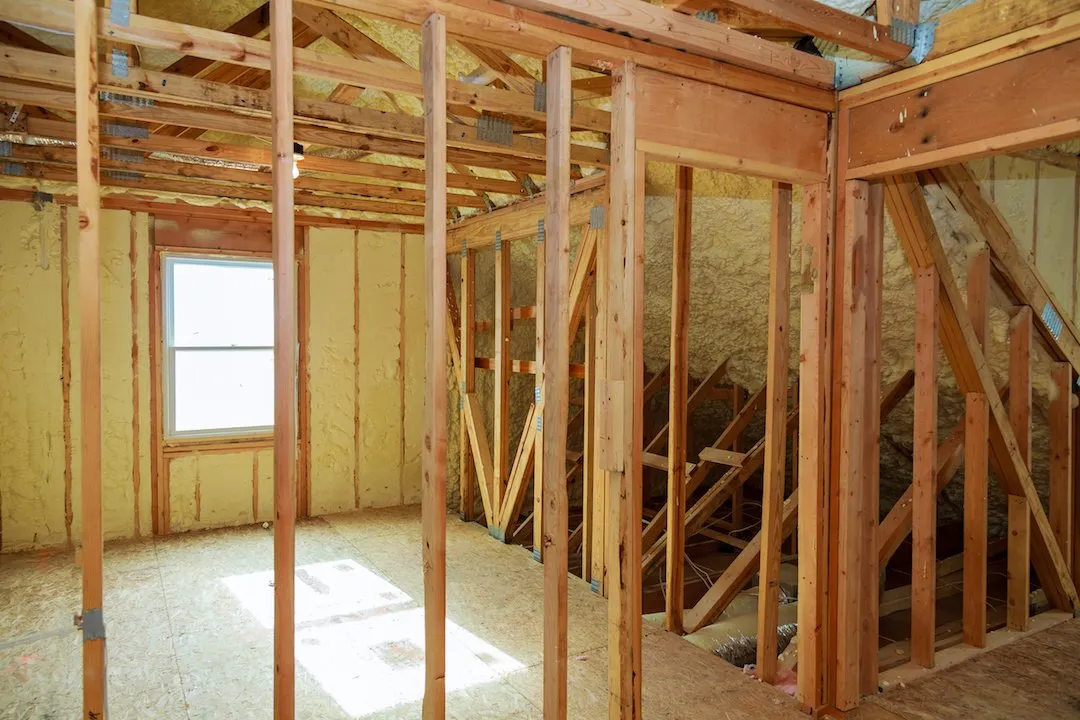
Why Spray Foam?
Insulation is not only about what goes inside a wall or attic. In Mobile, it is also about heat, humid air, rain exposure, and how the building envelope manages air and moisture.
Insulation Is Part of a Bigger System
Your roof, walls, ceilings, doors, windows, ventilation, and insulation all affect how indoor conditions are separated from outdoor heat and humidity.
Traditional insulation primarily slows heat transfer. Spray foam can also help control unwanted air movement where it is installed correctly as part of an appropriate assembly.
The Air-Sealing Difference
Spray foam expands during installation, allowing it to fill irregular spaces and help create a more continuous air-control layer. That can be valuable in attics, roof areas, walls, commercial spaces, and special structures.
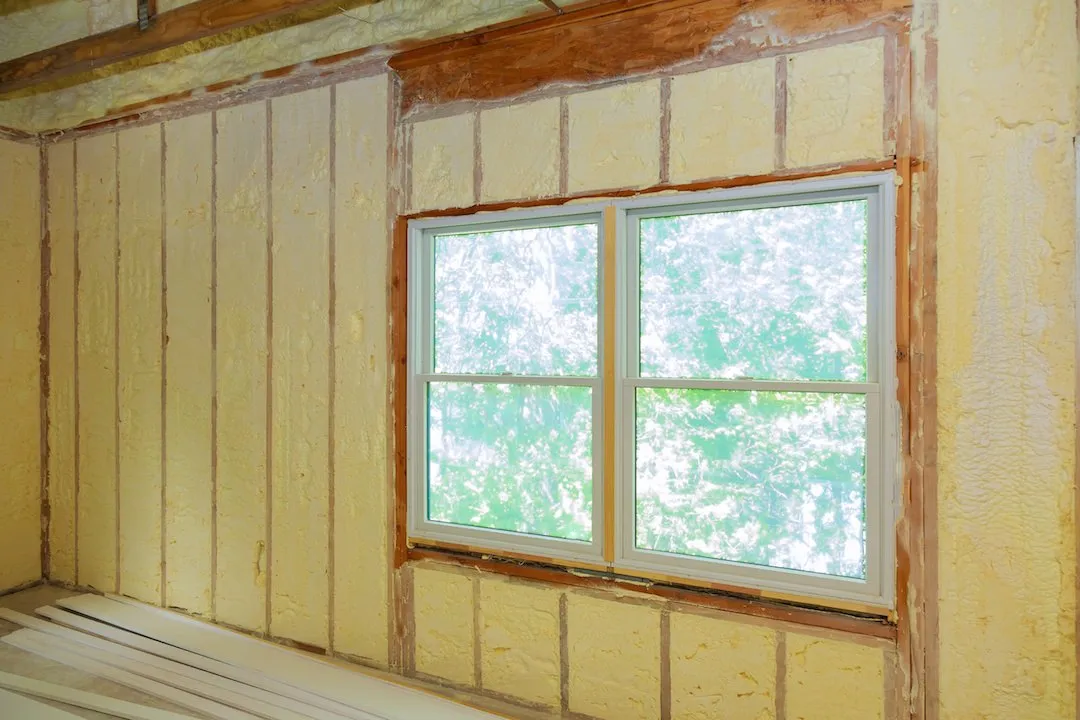
Open-Cell, Closed-Cell, and Traditional Insulation
Spray Foam
- Insulation plus air-sealing capability
- Expands to conform to irregular areas
- Professional installation required
- Foam type must fit the assembly
Fiberglass
- Widely used in batt or blown form
- Primarily thermal insulation
- Can perform well when properly installed
- Air sealing may need separate measures
Cellulose
- Loose-fill or dense-pack applications
- Common in attics and retrofits
- Primarily thermal insulation
- Air-control strategy depends on assembly
The right choice depends on the building, the assembly, and the project goal.
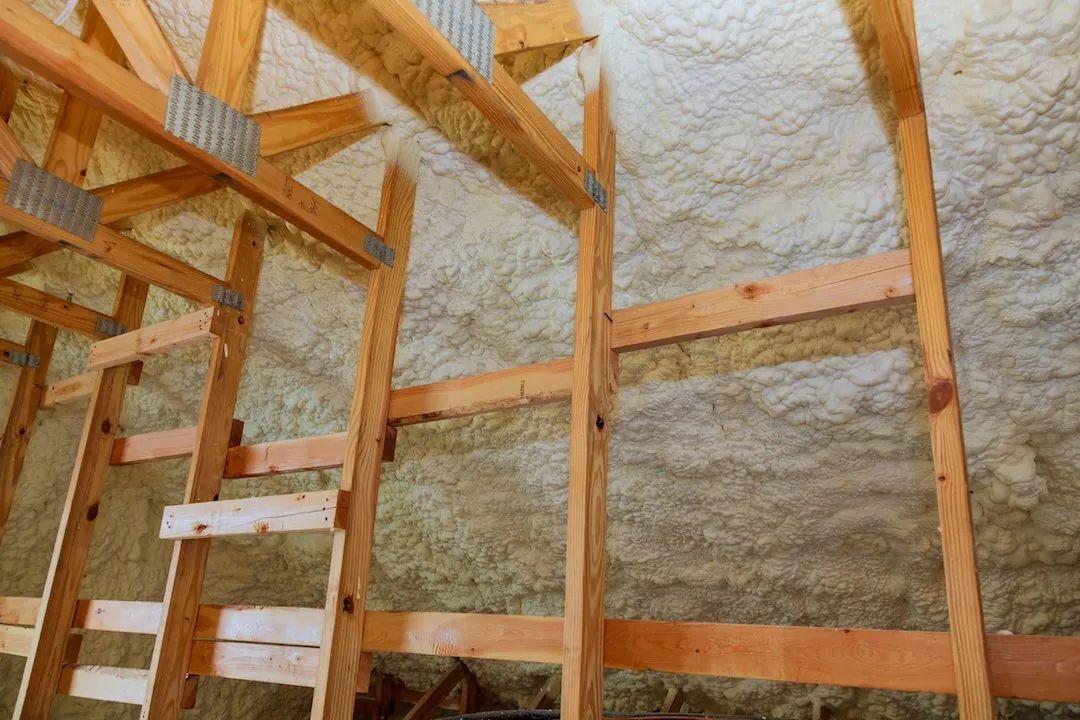
Gulf Coast Conditions Change the Conversation
Mobile's climate brings high humidity, heavy rain, long cooling seasons, and storm-season exposure. That means spray foam should be evaluated with moisture behavior, ventilation, and drying potential in mind.
Spray Foam Is Not One-Size-Fits-All
The first question should not be how much foam can be sold. It should be what the building is trying to do. Sometimes spray foam is a strong fit. Sometimes the assembly needs more evaluation first.
For service scope, start with spray foam insulation, attic and roof insulation, or the Baldwin County insulation contractor page.
Talk to an Insulation ProfessionalQuestions People Ask Before Choosing Spray Foam
Is spray foam good for Mobile-area homes?
It can be, but the right answer depends on the assembly, existing insulation, ventilation, moisture strategy, and project goal. Gulf Coast humidity makes evaluation especially important.
Does spray foam have an odor?
There can be an odor during and shortly after application. Re-entry guidance can vary by product and manufacturer, so follow the product-specific safety and installation guidance for the project.
Can spray foam be installed in an existing home?
Yes. Existing home and retrofit work are available, but access and existing materials affect the scope.
Does existing insulation need to be removed?
It depends on the assembly, condition, and project plan. Some projects can work around existing material, while others need removal or preparation first.
Is open-cell or closed-cell better?
Neither is universally better. Open-cell and closed-cell foams behave differently, and the correct choice depends on where the foam is installed and what the project needs to accomplish.
Will spray foam control moisture?
Spray foam can be part of an air-control and insulation strategy, but moisture control depends on the whole assembly. Drainage, drying potential, ventilation, and product choice all matter.
You Do Not Have to Figure It Out Alone
Tell us about your property and what you are trying to improve.